True healing in recovery is not limited to treating symptoms. It involves restoring balance across the mind, body, and spirit. For individuals navigating addiction recovery or mental health challenges, stress, emotional fatigue, and physical tension can make this balance difficult to maintain. A spa retreat offers a structured and supportive environment where individuals can step away from daily pressures and focus on holistic wellness. Through restorative therapies, mindful practices, and intentional rest, spa experiences can complement inpatient and outpatient care while strengthening long-term recovery and emotional resilience.
Understanding Holistic Wellness in Recovery
Holistic wellness recognizes that mental health, physical health, and emotional well-being are deeply connected. When one area is strained, the others are affected as well. This is especially true in addiction recovery, where stress, trauma, and exhaustion can impact both body and mind.
Faith-based, individualized, and integrative treatment approaches often emphasize this mind body spirit connection. A spa retreat aligns naturally with this philosophy by creating space for reflection, relaxation, and restoration. It allows individuals to slow down and reconnect with themselves in a meaningful way.
Physical Renewal Through Spa Therapies
Spa retreats offer a variety of treatments that support physical health while also improving emotional well-being.
Massage Therapy for Stress Relief
Massage therapy helps reduce muscle tension, improve circulation, and support physical recovery. It also encourages the release of serotonin and dopamine, which help regulate mood and promote relaxation.
For individuals in recovery, massage can reduce physical symptoms of stress and create a greater sense of calm and grounding.
Hydrotherapy and Water Based Healing
Hydrotherapy uses warm water, mineral baths, or therapeutic pools to relax the body and calm the nervous system. These treatments can reduce inflammation, ease pain, and promote deep relaxation.
The soothing nature of water also helps regulate breathing and lower stress levels, making it easier to achieve emotional balance.
Gentle Movement and Body Awareness
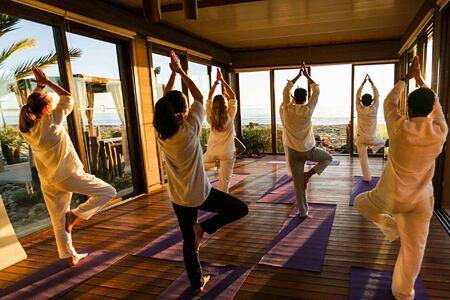
Many spa retreats include yoga, stretching, or mindful movement practices. These activities improve flexibility, increase energy, and support circulation.
More importantly, they help individuals reconnect with their bodies in a healthy and positive way. This connection is essential for holistic recovery and emotional healing.
Mental and Emotional Restoration
Spa retreats also provide powerful support for mental health by creating space for emotional rest and clarity.
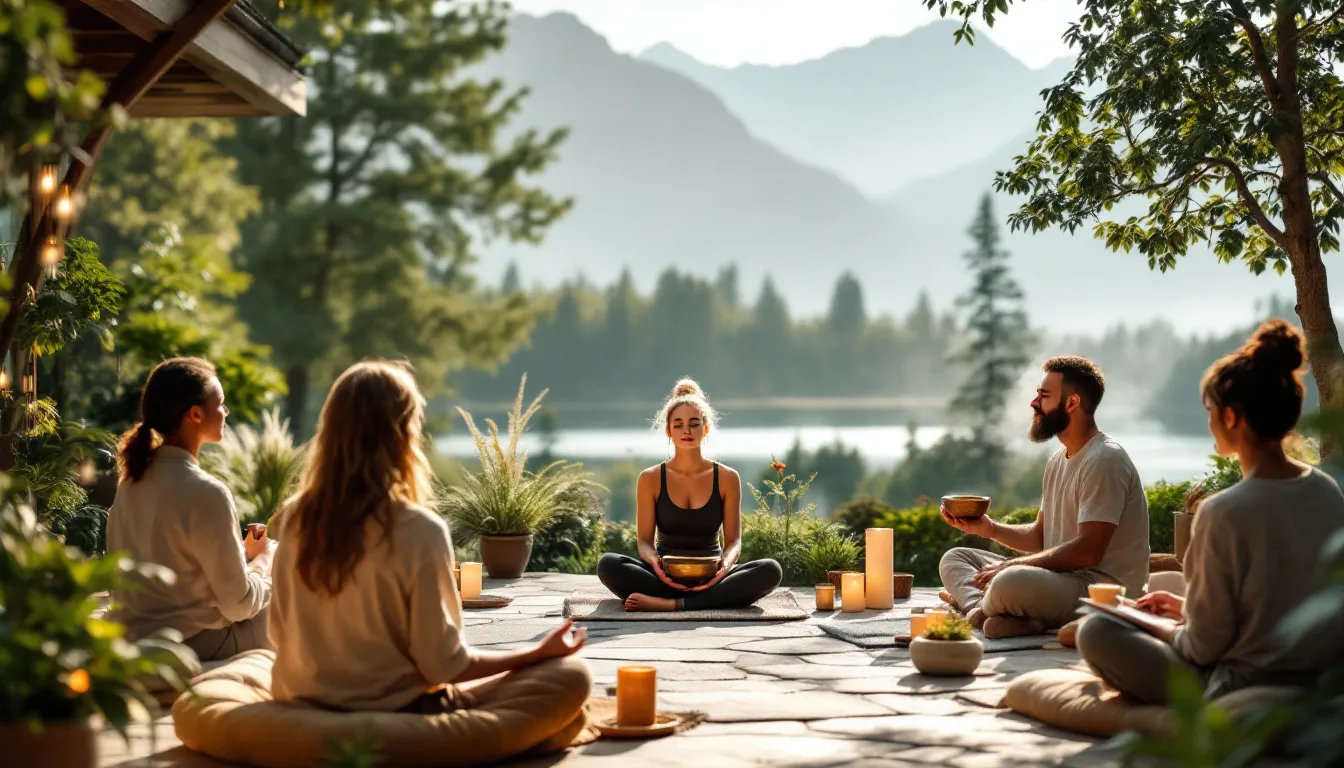
Mindfulness and Meditation Practices
Mindfulness techniques such as meditation and breathing exercises help individuals stay present and manage stress more effectively. These tools are widely used in mental health treatment because they improve emotional regulation and reduce anxiety.
Practicing mindfulness in a calm environment allows individuals to strengthen these skills in a supportive setting.
Reflection and Emotional Clarity
A spa retreat provides time away from daily responsibilities, which allows for deeper reflection. This quiet space helps individuals process emotions, evaluate personal goals, and reconnect with their recovery journey.
This clarity can strengthen motivation and support healthier decision making.
A Calming and Supportive Environment
The environment of a spa retreat is intentionally designed to promote peace and relaxation. Calm surroundings, soothing sounds, and structured routines help reduce overstimulation and support emotional stability.
This type of environment mirrors the supportive structure found in professional treatment settings where consistency and safety are essential for healing.
Spiritual Renewal and Inner Balance
For many individuals, especially those in faith-based recovery programs, spiritual wellness is an important part of healing. Spa retreats often provide quiet time for prayer, reflection, or personal introspection.
This spiritual space can help individuals reconnect with purpose, values, and inner strength. It supports a deeper sense of meaning in the recovery process and encourages long-term resilience.
Bringing Holistic Practices Into Everyday Life
The benefits of a spa retreat do not end when the experience is over. Many of the practices learned, such as mindfulness, gentle movement, and intentional rest, can be incorporated into daily routines.
These habits help reduce stress, improve emotional balance, and support ongoing recovery. Over time, they contribute to stronger mental health and overall well-being.
Conclusion
Holistic wellness is essential for lasting recovery. Spa retreats provide a powerful opportunity to restore the mind, body, and spirit through relaxation, reflection, and mindful care. When combined with professional addiction recovery services and mental health treatment, these experiences can strengthen resilience and support meaningful healing.
If you or someone you love is struggling with addiction or mental health challenges, compassionate and individualized care can make a difference. Healing is possible with the right support, and taking the first step toward help can open the door to balance, renewal, and lasting wellness.