Archive of ‘Uncategorized’ category

A Path to Renewal: How Spa Retreats Support Holistic Health and Mental Wellness

Renewal is an essential part of healing, especially for individuals navigating addiction recovery or mental health challenges. Stress, emotional exhaustion, and physical tension can accumulate over time, making it harder to maintain balance and focus on long-term wellness. While addiction recovery services, inpatient care, and outpatient treatment provide the clinical foundation for healing, sustainable progress also depends on restoring the mind and body through intentional self-care. Spa retreats offer a supportive environment where individuals can slow down, reconnect with themselves, and strengthen holistic health through rest, reflection, and restorative therapies.

Understanding Holistic Health in Recovery

Holistic health focuses on the connection between the mind, body, and spirit. When one area is out of balance, it often affects the others. This is especially true in recovery, where emotional stress and physical fatigue can influence mental clarity and decision making.

Many faith-based and individualized treatment approaches emphasize this interconnected model of healing. A spa retreat naturally aligns with this philosophy by offering an environment that supports relaxation, emotional processing, and physical restoration all at once.

Physical Restoration Through Spa Therapies

Spa experiences provide a variety of treatments that support physical well-being while also improving emotional health.

Massage Therapy for Relaxation and Stress Relief

Massage therapy helps reduce muscle tension, improve circulation, and relieve physical discomfort caused by stress. It also supports the release of serotonin and dopamine, which help regulate mood and promote emotional stability.

For individuals in recovery, this type of physical relaxation can reduce anxiety and support a greater sense of calm and grounding.

Hydrotherapy for Nervous System Balance

Hydrotherapy treatments such as warm baths, mineral soaks, and water immersion therapy help calm the nervous system and relax the body. These therapies reduce inflammation, ease muscle tension, and support better sleep.

The calming effects of warm water also help slow breathing and heart rate, which contributes to emotional regulation and stress reduction.

Gentle Movement for Mind Body Connection

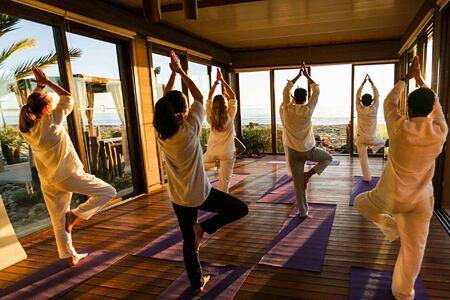
Many spa retreats include yoga, stretching, or mindful movement practices. These activities improve flexibility, increase circulation, and support overall physical health.

They also help individuals reconnect with their bodies in a safe and positive way, which is an important part of holistic recovery and emotional healing.

Mental and Emotional Wellness Benefits

Beyond physical care, spa retreats offer meaningful emotional support that complements mental health treatment.

Mindfulness and Emotional Awareness

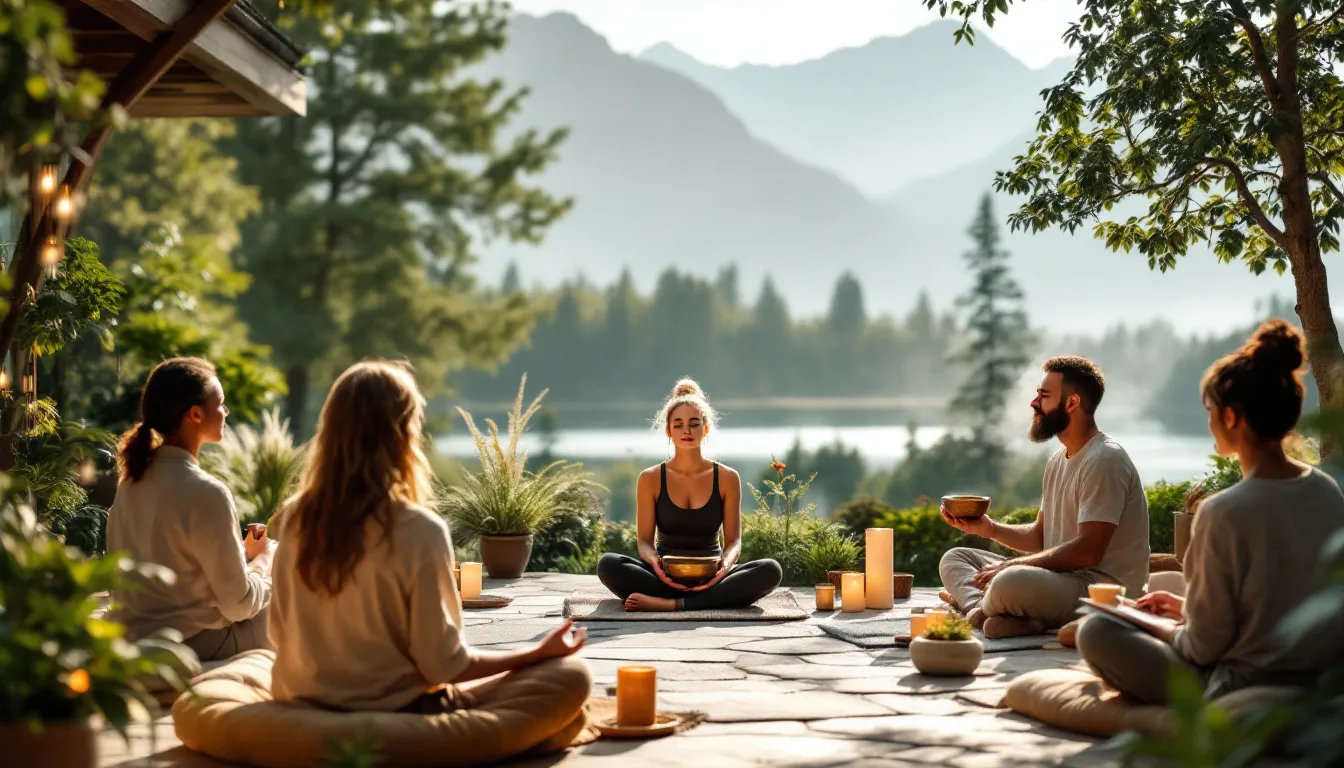
Mindfulness practices such as meditation and breathing exercises help individuals stay present and manage stress more effectively. These techniques are widely used in mental health care because they improve emotional regulation and reduce anxiety.

A spa environment provides the ideal setting to practice these skills in a calm and distraction free space.

Reflection and Mental Clarity

A spa retreat creates space away from daily responsibilities, allowing individuals to slow down and reflect. This time for introspection can help clarify emotions, strengthen self awareness, and reconnect individuals with their recovery goals.

This clarity often supports better decision making and reinforces motivation for continued healing.

A Supportive and Restorative Environment

The environment of a spa retreat is intentionally designed to promote peace and relaxation. Calm surroundings, quiet spaces, and structured routines help reduce overstimulation and create a sense of emotional safety.

This type of environment mirrors the supportive structure found in professional treatment settings, where consistency and stability play a key role in recovery success.

Integrating Spa Wellness Into Long Term Recovery

While spa retreats are not a replacement for addiction recovery or mental health treatment, they can be a valuable complement to ongoing care. The practices learned during a retreat can be incorporated into daily life.

Simple habits such as mindfulness, gentle movement, deep breathing, and intentional rest can help maintain emotional balance over time. These practices strengthen resilience and support long term wellness.

Conclusion

A path to renewal begins with intentional care for both mind and body. Spa retreats provide a powerful opportunity to restore balance, reduce stress, and support emotional and physical healing. When combined with professional addiction treatment and mental health care, they can enhance resilience and promote lasting wellness.

If you or someone you love is struggling with addiction or mental health challenges, compassionate support is available. With individualized and holistic care, healing is possible. Taking the first step toward help can open the door to renewal, stability, and a healthier future.

Healing Beyond Relaxation: Why Spa Vacations Can Enhance Recovery and Well-Being

Healing from addiction or managing mental health challenges requires more than structured treatment alone. While addiction recovery services, inpatient care, and outpatient programs provide essential clinical support, long-term well-being also depends on how well individuals manage stress, restore emotional balance, and care for their physical health. Spa vacations offer a supportive environment that goes beyond simple relaxation. They create space for deeper restoration of mind and body, helping individuals strengthen resilience, improve emotional regulation, and support their overall recovery journey.

Why Healing Requires More Than Rest Alone

Relaxation is important, but true healing goes further. Many individuals in recovery experience ongoing stress, emotional fatigue, and physical tension that can interfere with progress. Without intentional recovery practices, these pressures can build and affect mental clarity, mood stability, and motivation.

This is why holistic and individualized treatment approaches are so effective. They address the connection between mind, body, and behavior. Spa vacations align with this approach by providing structured opportunities for rest, reflection, and physical restoration in a calm and supportive setting.

Physical Benefits That Support Emotional Recovery

Spa therapies are designed to relax the body, but they also play a significant role in emotional and mental well-being.

Massage Therapy for Stress and Tension Release

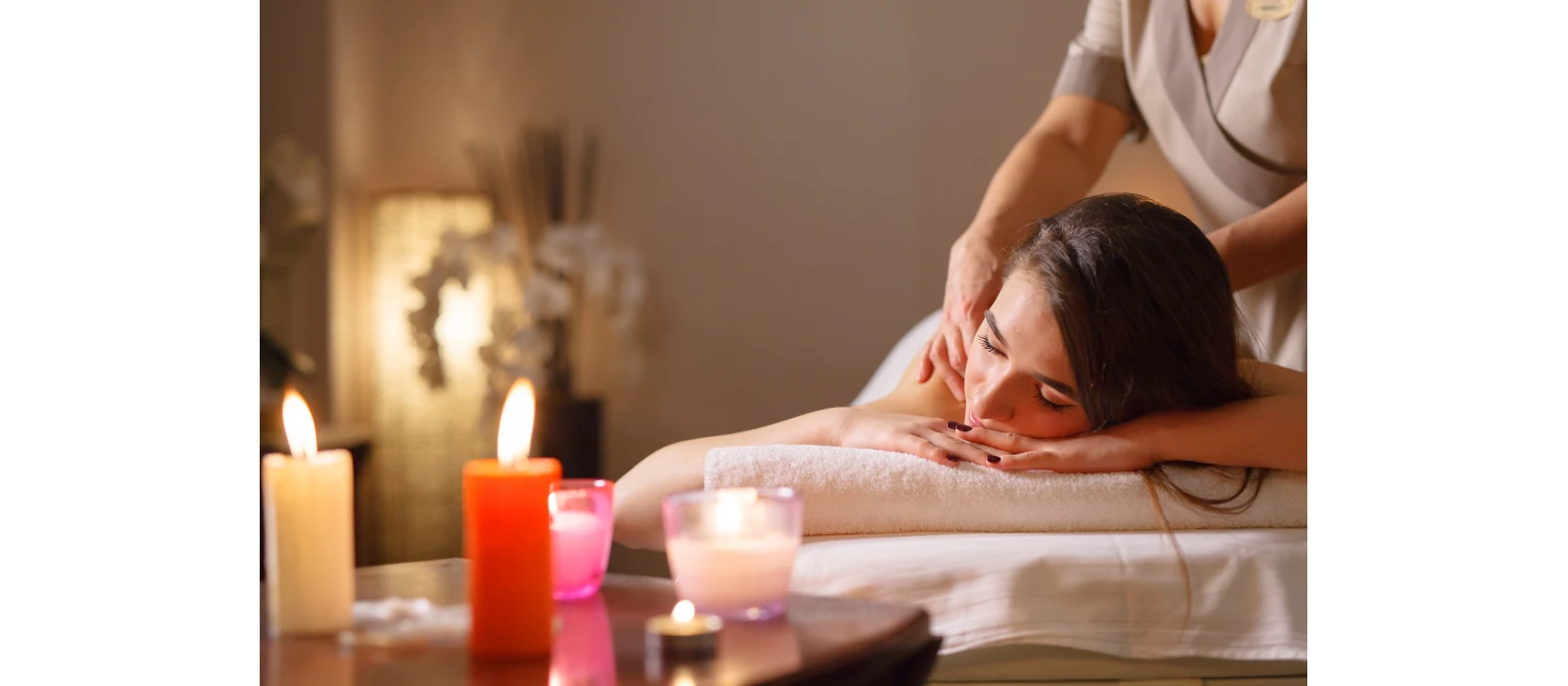
Massage therapy helps relieve muscle tightness, improve circulation, and reduce physical discomfort caused by stress. It also supports the release of serotonin and dopamine, which help regulate mood and promote emotional stability.

For individuals in recovery, this physical relaxation can reduce anxiety and create a stronger sense of grounding and calm.

Hydrotherapy and Nervous System Reset

Hydrotherapy treatments such as warm baths, mineral soaks, and water immersion therapy help calm the nervous system. These treatments reduce inflammation, ease muscle tension, and encourage deep relaxation.

The calming effect of water also supports emotional balance by slowing breathing and lowering stress responses in the body.

Gentle Movement and Physical Awareness

Many spa vacations include activities such as yoga, stretching, or mindful movement sessions. These practices improve flexibility, increase energy, and support circulation.

They also help individuals reconnect with their bodies in a healthy and intentional way, which is an important part of holistic recovery and emotional healing.

Emotional and Mental Health Benefits of Spa Vacations

Spa experiences provide more than physical care. They also support emotional healing and mental clarity in meaningful ways.

Mindfulness and Emotional Regulation

Mindfulness practices such as meditation and breathing exercises help individuals stay present and manage emotional responses more effectively. These tools are commonly used in mental health treatment because they reduce anxiety and improve emotional control.

A spa environment makes it easier to practice mindfulness consistently, helping individuals build skills that support long-term recovery.

Time for Reflection and Mental Clarity

A spa vacation offers time away from daily responsibilities, allowing individuals to slow down and reflect. This space can help clarify thoughts, process emotions, and reconnect with personal goals.

This clarity can strengthen motivation and support healthier decision making in everyday life.

A Safe and Supportive Healing Environment

The environment of a spa retreat plays an important role in emotional recovery. Calm surroundings, quiet spaces, and structured relaxation routines help reduce sensory overload and promote a sense of safety.

This supportive atmosphere mirrors the structure found in professional treatment programs, where consistency and stability are essential for healing.

Integrating Spa Wellness Into Recovery and Daily Life

While spa vacations are not a replacement for professional addiction recovery or mental health treatment, they can be a valuable complement to ongoing care. The practices learned during a retreat can be carried into daily routines.

Simple habits such as deep breathing, mindfulness, gentle movement, and intentional rest can help maintain emotional balance and reduce stress over time. These practices support resilience and enhance long-term recovery outcomes.

Conclusion

Healing beyond relaxation requires care for both the mind and body. Spa vacations offer a powerful opportunity to reduce stress, restore physical balance, and support emotional healing in a peaceful and restorative environment. When combined with professional addiction treatment and mental health care, they can strengthen resilience and improve overall well-being.

If you or someone you love is facing challenges with addiction or mental health, compassionate and individualized support can make a difference. Recovery is possible, and taking the first step toward help can open the door to lasting healing, balance, and renewed well-being.

From Stress to Strength: How Spa Getaways Improve Emotional Health and Resilience

Stress can affect every part of a person’s life, especially during addiction recovery and mental health treatment. Emotional exhaustion, anxiety, and physical tension often build over time, making it harder to maintain balance and focus on healing. While professional treatment programs provide essential clinical care and emotional support, long-term recovery also depends on learning healthy ways to manage stress and restore emotional well-being. A spa getaway can offer a meaningful opportunity to step away from daily pressures, reconnect with the body and mind, and strengthen emotional resilience through intentional rest and holistic wellness practices.

Understanding the Connection Between Stress and Recovery

Stress is one of the most common challenges individuals face during recovery. When stress remains unmanaged, it can increase the risk of emotional instability, burnout, anxiety, and relapse. Mental health struggles often become more difficult when the body is physically exhausted and the mind never has an opportunity to slow down.

This is why many addiction recovery programs and mental health treatment plans include stress management as a key part of healing. Whether through inpatient care, outpatient treatment, or holistic therapies, creating healthy coping strategies helps individuals build resilience and improve overall well-being.

A spa getaway supports this process by creating a calm environment where the nervous system can reset and emotional healing can begin.

Physical Wellness and Emotional Health Go Hand in Hand

The body and mind are deeply connected. When physical stress decreases, emotional health often improves as well. Spa therapies can help support this balance in several important ways.

Massage Therapy and Stress Relief

Massage therapy helps release muscle tension, improve circulation, and promote relaxation throughout the body. It also encourages the production of serotonin and dopamine, which are natural chemicals that help regulate mood and reduce stress.

For individuals in recovery, massage can create a sense of calm and comfort that supports emotional stability and mental clarity.

Hydrotherapy and Relaxation

Hydrotherapy treatments such as warm mineral baths, soaking pools, or therapeutic water sessions can calm the nervous system and reduce physical tension. Warm water helps relax muscles, slow the heart rate, and encourage deeper breathing.

These physical effects also contribute to emotional relaxation, helping individuals feel more grounded and less overwhelmed.

Gentle Exercise and Mind Body Awareness

Many spa retreats offer activities such as yoga, stretching, meditation walks, or light exercise classes. These practices help improve flexibility, energy, and physical awareness.

They also strengthen the connection between mind and body, which is an important part of holistic recovery and emotional healing.

Building Emotional Resilience Through Rest

Emotional resilience is the ability to adapt to stress and navigate challenges in healthy ways. Recovery requires this kind of strength, especially during difficult or uncertain moments.

Mindfulness and Emotional Regulation

Mindfulness practices are commonly used in mental health treatment because they help individuals stay present and manage emotional reactions more effectively. Spa getaways often include meditation, breathing exercises, or quiet reflection spaces that encourage mindfulness.

These practices can reduce anxiety, improve emotional control, and strengthen coping skills that support long-term recovery.

Time Away From Daily Stressors

One of the most valuable parts of a spa getaway is the opportunity to step away from daily responsibilities and distractions. Constant stress can make emotional healing more difficult. Creating space for rest allows the mind to recover and process emotions more clearly.

This time away can help individuals reconnect with their personal goals, relationships, and sense of purpose.

A Supportive and Healing Environment

The environment itself plays a major role in emotional wellness. Calm surroundings, peaceful routines, and restorative spaces help create a sense of safety and comfort.

This supportive atmosphere mirrors many of the principles used in professional addiction recovery and mental health treatment programs, where stability and structure help individuals feel emotionally secure.

Integrating Wellness Practices Into Everyday Life

A spa getaway should not replace professional care, but it can complement a comprehensive recovery plan. The wellness habits learned during a retreat can continue long after the vacation ends.

Simple practices such as deep breathing, mindful movement, journaling, and intentional rest can help individuals manage stress and maintain emotional balance at home. Over time, these routines can strengthen resilience and support long-term wellness.

Conclusion

Moving from stress to strength requires intentional care for both emotional and physical health. Spa getaways provide a valuable opportunity to relax, restore balance, and build resilience through holistic wellness practices. By combining rest, mindfulness, physical therapies, and emotional reflection, individuals can strengthen their recovery journey and improve overall well-being.

If you or someone you love is struggling with addiction or mental health challenges, compassionate support is available. Professional treatment that focuses on individualized care, emotional healing, and holistic wellness can help create a strong foundation for lasting recovery. Taking the first step toward help today can lead to renewed strength, balance, and hope for the future.

Restoring Balance: The Health Benefits of Spa Vacations for Mind and Body Wellness

Restoring balance in life is often one of the most challenging parts of addiction recovery and mental health healing. Stress, emotional strain, and physical exhaustion can gradually disrupt stability and make it harder to stay focused on recovery goals. While addiction recovery services, inpatient care, and outpatient treatment provide essential structure and clinical support, lasting wellness also depends on intentional rest and self care. A spa vacation offers a powerful opportunity to step away from daily pressures, restore the body, and support emotional healing in a calm and structured environment.

Why Balance Matters in Mental Health and Recovery

Balance is a core foundation of long term recovery. When stress levels are high and rest is limited, emotional regulation becomes more difficult. This can affect sleep, mood, motivation, and decision making.

In both mental health treatment and addiction recovery, restoring balance helps individuals build resilience. It allows the nervous system to reset and gives the mind space to process emotions in a healthier way.

A spa vacation supports this process by creating an environment where rest is prioritized. This break from routine helps the body and mind return to a more stable and grounded state.

Physical Health Benefits of Spa Vacations

Spa treatments offer more than relaxation. They provide real physical benefits that support overall wellness and recovery.

Massage Therapy for Physical and Emotional Relief

Massage therapy helps reduce muscle tension, improve circulation, and promote deep relaxation. It also supports the release of serotonin and dopamine, which help regulate mood and reduce stress.

For individuals in recovery, this can ease physical discomfort related to anxiety and help create a stronger sense of calm and well-being.

Hydrotherapy and Nervous System Support

Hydrotherapy includes warm baths, mineral soaks, and water based treatments that relax the body and calm the nervous system. These therapies help reduce inflammation, improve circulation, and ease physical stress.

The soothing effect of warm water also helps slow breathing and heart rate, which supports emotional regulation and mental clarity.

Gentle Movement for Mind Body Connection

Many spa retreats include yoga, stretching, or gentle movement practices. These activities help improve flexibility, reduce stiffness, and increase energy levels.

More importantly, they strengthen the connection between mind and body. This awareness is an important part of holistic healing and recovery.

Emotional and Mental Wellness Benefits

Spa vacations also provide meaningful support for emotional and mental health by creating space for reflection and mindfulness.

Mindfulness Practices for Stress Reduction

Mindfulness techniques such as meditation and breathing exercises help individuals stay present and manage stress more effectively. These practices are widely used in mental health treatment because they improve emotional control and reduce anxiety.

A calm spa environment makes it easier to practice these skills and build consistency in using them.

Emotional Reset and Mental Clarity

Daily responsibilities and stress can make it difficult to think clearly. A spa vacation offers time away from distractions, allowing individuals to reflect on their thoughts and emotions.

This clarity can help strengthen motivation for recovery and support healthier decision making moving forward.

A Calm and Supportive Environment

The environment plays a major role in healing. Spa settings are designed to be quiet, peaceful, and restorative. This helps reduce sensory overload and promotes emotional safety.

This type of environment reflects the supportive structure found in professional treatment programs where stability and routine are essential for recovery success.

Integrating Spa Wellness Into Long Term Recovery

While a spa vacation is not a substitute for addiction treatment or mental health care, it can be a valuable complement to ongoing recovery efforts. The habits learned during a retreat can be applied in everyday life.

Practices such as mindfulness, intentional rest, gentle movement, and stress management techniques can help maintain emotional balance over time. These habits support long term resilience and overall wellness.

Conclusion

Restoring balance is essential for both mental health and addiction recovery. Spa vacations provide a meaningful way to reduce stress, support physical health, and encourage emotional healing. Through relaxation therapies, mindfulness practices, and a peaceful environment, individuals can strengthen resilience and reconnect with their sense of stability.

If you or someone you love is struggling with addiction or mental health challenges, compassionate professional support can make a difference. With individualized and holistic care, healing and balance are possible. Reaching out for help is the first step toward restoring wellness and building a healthier future.

How a Spa Vacation Supports Mental Health, Stress Relief, and Emotional Recovery

Stress, emotional fatigue, and mental exhaustion can slowly build until they begin to affect every part of life. For individuals navigating addiction recovery or mental health challenges, these pressures can feel even more intense. While professional addiction recovery services, inpatient care, and outpatient treatment provide essential structure and support, long-term healing also depends on rest and restoration. A spa vacation offers a powerful way to step away from daily stressors, reset the nervous system, and support emotional recovery in a calm and structured environment.

The Connection Between Stress and Mental Health Recovery

Stress is one of the most common factors that can disrupt mental health and recovery progress. It affects sleep, mood, decision making, and emotional regulation. Over time, unmanaged stress can increase the risk of anxiety, depression, and relapse.

This is why many mental health treatment programs emphasize stress management as part of a comprehensive recovery plan. Learning how to slow down and regulate emotional responses is a key part of long-term healing.

A spa vacation provides a dedicated space to practice this kind of emotional reset. It removes individuals from daily pressures and allows the mind and body to enter a calmer state.

Physical Benefits That Support Emotional Healing

Spa therapies are not just about relaxation. They offer real physical benefits that directly influence mental and emotional well-being.

Massage Therapy for Stress and Tension Relief

Massage therapy helps release muscle tension that often builds during periods of stress or emotional strain. It also improves circulation and supports the release of natural mood regulating chemicals such as serotonin and dopamine.

For individuals in recovery, this can help reduce physical symptoms of anxiety and create a deeper sense of calm.

Hydrotherapy and Nervous System Regulation

Hydrotherapy treatments such as warm baths, mineral soaks, and water immersion therapy help calm the nervous system. These treatments can lower heart rate, reduce muscle stiffness, and promote deep relaxation.

This physical calming effect also supports emotional stability, making it easier to manage stress and overwhelming thoughts.

Gentle Movement and Body Awareness

Many spa vacations include yoga, stretching, or light movement sessions. These activities help improve flexibility, circulation, and overall energy levels.

More importantly, they strengthen the mind body connection. This awareness is essential for individuals in recovery who are learning to reconnect with their physical and emotional needs in healthy ways.

Emotional and Mental Health Benefits of Spa Vacations

Beyond physical care, spa experiences offer meaningful emotional support that can enhance recovery outcomes.

Mindfulness and Emotional Regulation

Mindfulness practices such as meditation and guided breathing exercises help individuals stay present and manage emotional responses more effectively. These techniques are widely used in mental health treatment because they reduce anxiety and improve emotional control.

Practicing mindfulness in a calm spa environment makes it easier to build these skills and apply them in everyday life.

Emotional Reset and Mental Clarity

A spa vacation creates space away from responsibilities, stress, and daily distractions. This allows individuals to reflect on their thoughts and emotions with greater clarity.

This time for reflection can help strengthen motivation in recovery and support healthier decision making moving forward.

A Safe and Supportive Environment for Healing

The environment of a spa retreat plays an important role in emotional recovery. Calm surroundings, quiet spaces, and structured relaxation activities help reduce overstimulation and promote a sense of safety.

This kind of environment reflects the supportive structure found in inpatient and outpatient care programs, where consistency and stability are key to healing.

Integrating Spa Wellness Into Long Term Recovery

While a spa vacation is not a replacement for professional addiction recovery or mental health treatment, it can be a valuable complement to ongoing care. The practices learned during a retreat can be carried into daily life.

Simple habits such as deep breathing, mindful movement, intentional rest, and regular self care can help maintain emotional balance and reduce stress over time. These practices strengthen resilience and support long term wellness goals.

Conclusion

Mental health recovery and addiction healing require more than treatment alone. They require intentional rest, emotional care, and opportunities to reconnect with the self. A spa vacation offers a supportive environment where stress can be reduced, emotional balance can be restored, and physical and mental health can be strengthened together.

If you or someone you love is struggling with addiction or mental health challenges, compassionate professional support can make a meaningful difference. With individualized and holistic care, healing is possible. Taking the first step toward help can open the door to greater balance, emotional recovery, and lasting wellness.

Holistic Wellness on Vacation: How a Spa Retreat Strengthens Mind, Body, and Spirit

True healing in recovery is not limited to treating symptoms. It involves restoring balance across the mind, body, and spirit. For individuals navigating addiction recovery or mental health challenges, stress, emotional fatigue, and physical tension can make this balance difficult to maintain. A spa retreat offers a structured and supportive environment where individuals can step away from daily pressures and focus on holistic wellness. Through restorative therapies, mindful practices, and intentional rest, spa experiences can complement inpatient and outpatient care while strengthening long-term recovery and emotional resilience.

Understanding Holistic Wellness in Recovery

Holistic wellness recognizes that mental health, physical health, and emotional well-being are deeply connected. When one area is strained, the others are affected as well. This is especially true in addiction recovery, where stress, trauma, and exhaustion can impact both body and mind.

Faith-based, individualized, and integrative treatment approaches often emphasize this mind body spirit connection. A spa retreat aligns naturally with this philosophy by creating space for reflection, relaxation, and restoration. It allows individuals to slow down and reconnect with themselves in a meaningful way.

Physical Renewal Through Spa Therapies

Spa retreats offer a variety of treatments that support physical health while also improving emotional well-being.

Massage Therapy for Stress Relief

Massage therapy helps reduce muscle tension, improve circulation, and support physical recovery. It also encourages the release of serotonin and dopamine, which help regulate mood and promote relaxation.

For individuals in recovery, massage can reduce physical symptoms of stress and create a greater sense of calm and grounding.

Hydrotherapy and Water Based Healing

Hydrotherapy uses warm water, mineral baths, or therapeutic pools to relax the body and calm the nervous system. These treatments can reduce inflammation, ease pain, and promote deep relaxation.

The soothing nature of water also helps regulate breathing and lower stress levels, making it easier to achieve emotional balance.

Gentle Movement and Body Awareness

Many spa retreats include yoga, stretching, or mindful movement practices. These activities improve flexibility, increase energy, and support circulation.

More importantly, they help individuals reconnect with their bodies in a healthy and positive way. This connection is essential for holistic recovery and emotional healing.

Mental and Emotional Restoration

Spa retreats also provide powerful support for mental health by creating space for emotional rest and clarity.

Mindfulness and Meditation Practices

Mindfulness techniques such as meditation and breathing exercises help individuals stay present and manage stress more effectively. These tools are widely used in mental health treatment because they improve emotional regulation and reduce anxiety.

Practicing mindfulness in a calm environment allows individuals to strengthen these skills in a supportive setting.

Reflection and Emotional Clarity

A spa retreat provides time away from daily responsibilities, which allows for deeper reflection. This quiet space helps individuals process emotions, evaluate personal goals, and reconnect with their recovery journey.

This clarity can strengthen motivation and support healthier decision making.

A Calming and Supportive Environment

The environment of a spa retreat is intentionally designed to promote peace and relaxation. Calm surroundings, soothing sounds, and structured routines help reduce overstimulation and support emotional stability.

This type of environment mirrors the supportive structure found in professional treatment settings where consistency and safety are essential for healing.

Spiritual Renewal and Inner Balance

For many individuals, especially those in faith-based recovery programs, spiritual wellness is an important part of healing. Spa retreats often provide quiet time for prayer, reflection, or personal introspection.

This spiritual space can help individuals reconnect with purpose, values, and inner strength. It supports a deeper sense of meaning in the recovery process and encourages long-term resilience.

Bringing Holistic Practices Into Everyday Life

The benefits of a spa retreat do not end when the experience is over. Many of the practices learned, such as mindfulness, gentle movement, and intentional rest, can be incorporated into daily routines.

These habits help reduce stress, improve emotional balance, and support ongoing recovery. Over time, they contribute to stronger mental health and overall well-being.

Conclusion

Holistic wellness is essential for lasting recovery. Spa retreats provide a powerful opportunity to restore the mind, body, and spirit through relaxation, reflection, and mindful care. When combined with professional addiction recovery services and mental health treatment, these experiences can strengthen resilience and support meaningful healing.

If you or someone you love is struggling with addiction or mental health challenges, compassionate and individualized care can make a difference. Healing is possible with the right support, and taking the first step toward help can open the door to balance, renewal, and lasting wellness.

Healing Through Rest: Why Spa Retreats Enhance Mental Health and Recovery

Rest is not a luxury in recovery. It is a necessity. For individuals facing addiction or mental health challenges, ongoing stress, emotional strain, and physical exhaustion can slow progress and increase vulnerability to relapse. Healing requires more than clinical care alone. It calls for intentional restoration of the mind and body. Spa retreats offer a powerful way to support this process by creating a calm, structured environment where individuals can step away from stress, reconnect with themselves, and strengthen their path toward long-term recovery.

The Role of Rest in Mental Health and Recovery

Mental health and addiction recovery are deeply affected by stress and fatigue. When the body remains in a constant state of tension, it becomes harder to regulate emotions, maintain focus, and practice healthy coping skills.

This is why both inpatient and outpatient care programs emphasize rest and stress management as core components of treatment. Rest allows the nervous system to reset, improves sleep quality, and supports emotional balance.

A spa retreat provides an intentional space for this kind of restoration. It removes daily pressures and offers an environment where individuals can focus entirely on healing and self-care.

Physical Restoration Through Spa Therapies

Spa treatments are designed to relax the body, but they also deliver important health benefits that support recovery.

Massage Therapy and Muscle Recovery

Massage therapy helps release built-up tension, improve circulation, and reduce physical discomfort. It also encourages the release of serotonin and dopamine, which are essential for mood regulation.

For individuals in recovery, these benefits can ease stress, improve sleep, and create a sense of calm that supports emotional stability.

Hydrotherapy and Nervous System Support

Hydrotherapy includes treatments such as warm baths, mineral soaks, and therapeutic pools. These experiences help reduce inflammation, relax muscles, and calm the nervous system.

Warm water immersion can also promote deeper breathing and a slower heart rate, both of which are important for reducing anxiety and promoting relaxation.

Gentle Movement and Physical Balance

Many spa retreats include activities such as yoga, stretching, or light movement. These practices help improve flexibility, increase energy levels, and support overall physical health.

More importantly, they help individuals reconnect with their bodies. This awareness is often lost during periods of stress or addiction and is essential for holistic healing.

Emotional and Mental Healing

While physical relaxation is important, the emotional benefits of a spa retreat are equally powerful.

Mindfulness and Stress Reduction

Mindfulness practices such as meditation and guided breathing exercises help individuals stay present and manage stress more effectively. These tools are widely used in mental health treatment because they strengthen emotional regulation and reduce reactivity.

Practicing mindfulness in a calm setting allows individuals to build confidence in their ability to manage stress outside of the retreat.

Time for Reflection and Clarity

A spa retreat offers something many people lack in daily life. Time and space to think. Without constant distractions, individuals can reflect on their experiences, process emotions, and reconnect with their recovery goals.

This reflection can lead to greater self-awareness and a renewed sense of purpose in the healing journey.

A Safe and Supportive Environment

The environment itself plays a key role in recovery. Spa settings are designed to be peaceful, quiet, and restorative. This helps reduce sensory overload and promotes emotional safety.

This type of environment aligns with the principles of professional treatment programs, where structure and support help individuals build healthier habits.

Extending the Benefits Beyond the Retreat

The true value of a spa retreat lies in what continues afterward. The techniques learned during the experience can be integrated into daily routines.

Simple practices such as deep breathing, mindful movement, and intentional rest can help maintain emotional balance and reduce stress. Over time, these habits strengthen resilience and support long-term recovery.

Conclusion

Healing through rest is a powerful and often overlooked part of mental health care and addiction recovery. Spa retreats offer a unique opportunity to restore the body, calm the mind, and reconnect with healthy habits that support lasting wellness.

If you or someone you love is navigating addiction or mental health challenges, professional support can make a meaningful difference. Compassionate, individualized care that addresses both physical and emotional needs can help guide the path toward recovery. Taking the first step to reach out for help can open the door to healing, balance, and renewed hope.

From Fatigue to Wellness: Using Spa Vacations to Boost Emotional and Physical Health

Fatigue is more than feeling tired. It can affect emotional stability, physical health, motivation, and even the ability to stay consistent in addiction recovery or mental health treatment. When exhaustion becomes chronic, it can increase stress, weaken coping skills, and make healing feel more difficult. This is why intentional rest and structured self-care are essential. A spa vacation offers a restorative environment where the body can recover, the mind can reset, and emotional balance can be strengthened. When combined with professional addiction recovery services and mental health treatment, spa experiences can support a healthier and more sustainable path to wellness.

Understanding Fatigue in Recovery and Mental Health

Fatigue often develops from prolonged stress, emotional strain, poor sleep, or unresolved mental health challenges. In recovery settings, fatigue can also be linked to the physical and emotional adjustments that come with healing.

When energy levels are low, it becomes harder to focus, regulate emotions, or maintain healthy routines. This is why inpatient and outpatient care programs often emphasize rest, structure, and stress management as part of treatment.

A spa vacation offers a supportive break from daily pressures. It gives individuals time to slow down, recharge, and reconnect with their physical and emotional needs in a peaceful environment.

Physical Benefits of Spa Vacations

Spa therapies are designed to restore the body, but they also have a direct impact on emotional health and overall wellness.

Massage Therapy for Rest and Recovery

Massage therapy helps reduce muscle tension, improve circulation, and relieve physical discomfort caused by stress or fatigue. It also supports the release of natural mood enhancing chemicals that help improve emotional balance.

For individuals in recovery, massage can promote relaxation and reduce the physical symptoms of stress that often contribute to emotional overwhelm.

Hydrotherapy and Warm Water Relaxation

Hydrotherapy uses warm water treatments such as mineral baths, soaking pools, or thermal experiences to relax the body. These therapies help reduce inflammation, ease tension, and calm the nervous system.

The sensation of warm water can also promote a feeling of safety and comfort, which is important for emotional healing and stress reduction.

Gentle Movement and Physical Reconnection

Many spa vacations include gentle activities such as yoga, stretching, or light exercise. These practices improve flexibility, circulation, and energy levels.

More importantly, they help individuals reconnect with their bodies in a positive and mindful way. This connection is a key part of holistic wellness and long term recovery.

Emotional and Mental Health Benefits

Beyond physical restoration, spa vacations offer meaningful support for emotional and mental health.

Mindfulness and Stress Reduction

Mindfulness practices such as meditation and breathing exercises help individuals stay present and manage stress more effectively. These techniques are commonly used in mental health treatment because they improve emotional regulation and reduce anxiety.

During a spa vacation, mindfulness becomes easier to practice in a calm and supportive environment.

Emotional Clarity and Reflection

A break from daily responsibilities creates space for reflection. This quiet time allows individuals to process emotions, think clearly, and reconnect with personal goals.

This type of reflection can strengthen motivation for recovery and support healthier decision making in everyday life.

A Healing and Supportive Environment

The environment of a spa plays an important role in the healing process. Calm surroundings, soothing sounds, and restorative spaces help reduce sensory overload and promote relaxation.

This type of environment mirrors the supportive structure found in professional treatment settings, where stability and routine are essential for recovery.

Bringing Spa Wellness Into Everyday Life

The benefits of a spa vacation can extend far beyond the experience itself. Many of the practices learned, such as mindfulness, gentle movement, and intentional rest, can be incorporated into daily routines.

These habits help maintain emotional balance, reduce stress, and support ongoing recovery goals. Over time, they contribute to stronger resilience and improved overall wellness.

Conclusion

Moving from fatigue to wellness requires intentional care for both mind and body. Spa vacations offer a powerful opportunity to rest, restore, and rebuild emotional strength. Through relaxation therapies, mindfulness practices, and a supportive environment, individuals can improve both physical and emotional health while reinforcing their recovery journey.

If you or someone you love is facing challenges with addiction or mental health, compassionate professional support can make a meaningful difference. With individualized and holistic care, it is possible to restore energy, rebuild balance, and move toward lasting wellness. Reaching out for help is the first step toward healing and renewed strength.

Stress Relief and Renewal: Discover the Health Benefits of Spa Getaways

Stress is one of the most common challenges people face during addiction recovery and mental health treatment. It can affect sleep, mood, energy levels, and even decision making. Over time, unmanaged stress can make recovery feel more difficult and emotionally draining. This is why intentional rest and structured self-care are so important. A spa getaway offers a supportive environment where the body can relax, the mind can reset, and emotional balance can be restored. When combined with professional addiction recovery services and mental health care, spa experiences can play a meaningful role in supporting long-term wellness and stability.

Why Stress Relief Matters in Recovery

Stress is not just a feeling. It is a physical and emotional response that can impact every part of a person’s health. For individuals in addiction recovery or mental health treatment, stress can be a major trigger for relapse, anxiety, or emotional overwhelm.

That is why many treatment approaches, including inpatient and outpatient care, emphasize stress management as a core part of healing. Learning how to reduce stress in healthy ways helps individuals build resilience and maintain progress in recovery.

A spa getaway offers a structured way to step outside of daily pressures and focus entirely on rest and renewal. This kind of environment can help calm the nervous system and create space for emotional clarity.

Physical Health Benefits of Spa Getaways

Spa therapies are not only relaxing. They also provide measurable physical benefits that support overall health and recovery.

Massage Therapy for Relaxation and Healing

Massage therapy is one of the most effective ways to reduce physical tension. It helps improve circulation, ease muscle stiffness, and promote deeper relaxation. It also supports the release of natural mood enhancing chemicals such as serotonin and dopamine, which can improve emotional stability.

For individuals in recovery, this can be especially helpful in reducing stress related discomfort and supporting better sleep.

Hydrotherapy and Warm Water Treatments

Hydrotherapy uses water based treatments such as hot baths, mineral soaks, or warm pools to relax the body. These treatments help reduce inflammation, ease joint pain, and calm the nervous system.

The soothing effect of warm water can also help regulate breathing and reduce anxiety, making it easier for individuals to feel grounded and present.

Gentle Movement and Physical Restoration

Many spa getaways include gentle movement activities such as yoga, stretching, or guided walks. These activities improve flexibility and circulation while also supporting mental clarity.

Movement helps release stored tension in the body, which is often connected to emotional stress. This connection between physical and emotional health is an important part of holistic recovery.

Mental and Emotional Renewal

Spa getaways also provide powerful mental health benefits. The peaceful environment encourages individuals to slow down, reflect, and reconnect with themselves.

Mindfulness and Meditation Practices

Mindfulness is a key tool in both mental health treatment and addiction recovery. It helps individuals become more aware of their thoughts, emotions, and triggers without becoming overwhelmed by them.

Spa retreats often include meditation or breathing exercises that help calm the mind and reduce anxiety. These skills can later be used in everyday life to manage stress more effectively.

Emotional Reflection and Clarity

When life becomes busy, it is easy to lose touch with emotional needs. A spa getaway creates space for reflection. This quiet time allows individuals to think more clearly about their goals, challenges, and personal growth.

This type of reflection can strengthen motivation for recovery and reinforce healthy decision making.

A Supportive Healing Environment

The environment itself plays an important role in emotional recovery. Spa settings are designed to be calm, quiet, and restorative. This kind of atmosphere supports emotional safety and helps individuals feel more at ease.

This is similar to the supportive structure found in inpatient and outpatient care programs, where stability and routine are key to healing.

Bringing Spa Wellness Into Daily Life

The benefits of a spa getaway do not have to end when the trip is over. Many of the practices learned during a retreat can be brought into daily life.

Simple habits such as deep breathing, stretching, mindfulness, and intentional rest can help maintain emotional balance. Over time, these habits can reduce stress and support long-term recovery goals.

Conclusion

Stress relief is an essential part of both mental health care and addiction recovery. Spa getaways offer a meaningful way to step away from pressure, restore balance, and support both mind and body wellness. Through relaxation therapies, mindfulness practices, and a peaceful environment, individuals can strengthen emotional resilience and improve overall health.

If you or someone you love is navigating addiction recovery or mental health challenges, professional support can make a life changing difference. Compassionate, individualized care that focuses on both emotional and physical healing can help guide the path toward lasting wellness. Reaching out today can be the first step toward renewal, balance, and a healthier future.

Rejuvenate Your Mind and Body: How a Spa Vacation Supports Health and Recovery

Recovery from addiction and the pursuit of mental wellness are journeys that require attention to both the mind and body. While therapy, counseling, and structured treatment are essential, restorative practices can significantly enhance the process. A spa vacation offers more than relaxation. It provides a structured opportunity to rejuvenate physically, emotionally, and mentally, supporting overall health and strengthening the foundations of recovery.

The Role of Rest and Self-Care in Recovery

Healing is a holistic process. Chronic stress, emotional tension, and fatigue can undermine recovery and make mental health management more challenging. Intentional self-care practices, such as those provided by spa vacations, allow individuals to pause, reset, and restore balance.

Stepping away from daily responsibilities creates space for mindfulness, reflection, and emotional renewal. These restorative experiences complement the structured care provided in inpatient and outpatient programs, helping individuals maintain resilience and emotional stability.

Physical Benefits of Spa Therapies

Spa retreats offer treatments that directly support both physical and mental health.

Massage Therapy

Massage reduces muscle tension, improves circulation, and promotes relaxation. Beyond physical relief, it lowers cortisol levels and increases endorphins, helping to regulate mood and reduce anxiety. These benefits are especially valuable for individuals navigating recovery or managing mental health challenges.

Hydrotherapy and Warm Baths

Hydrotherapy, mineral baths, and thermal treatments ease muscle soreness, improve joint mobility, and calm the nervous system. These therapies encourage a state of relaxation that supports emotional well-being and mental clarity.

Gentle Movement and Yoga

Many spa retreats incorporate yoga, stretching, or light aerobic exercise. These practices strengthen the mind-body connection, enhance flexibility, and release mood-boosting chemicals. Integrating gentle movement into a spa experience reinforces habits that can continue after returning home.

Emotional and Mental Restoration

The mental and emotional benefits of spa vacations are equally important.

Mindfulness and Meditation

Guided meditation and breathing exercises help individuals manage stress, stay present, and improve self-awareness. Mindfulness practices are widely recognized in recovery programs for their ability to reduce cravings, support emotional regulation, and increase resilience.

Reflection and Emotional Insight

A calm, distraction-free environment allows for introspection. Activities such as journaling, meditation, or quiet contemplation provide space to process emotions, assess progress, and reconnect with personal goals. This reflection strengthens emotional resilience and supports long-term mental health.

Safe and Supportive Environment

The structured, serene environment of a spa retreat mirrors the supportive atmosphere found in professional treatment settings. By removing external stressors, individuals can focus on cultivating healthy routines and practicing self-care, reinforcing skills learned during therapy or treatment programs.

Integrating Spa Practices Into Everyday Life

The benefits of a spa vacation extend beyond the retreat itself. Techniques learned, including mindfulness, relaxation exercises, and gentle movement, can be incorporated into daily life. These habits support ongoing recovery, improve mental and physical health, and strengthen resilience against stress.

Conclusion

Rejuvenation of mind and body is essential for supporting recovery and mental well-being. Spa vacations offer a unique opportunity to combine physical therapy, emotional renewal, and mindful self-care. By creating space for rest, reflection, and restoration, individuals can enhance resilience, reduce stress, and support long-term health and recovery.

If you or a loved one are navigating addiction recovery or seeking mental health support, consider how a restorative spa retreat can complement professional care. Reach out to a compassionate, client-centered provider today to explore holistic approaches that nurture balance, wellness, and lasting recovery.

1 2 3 8