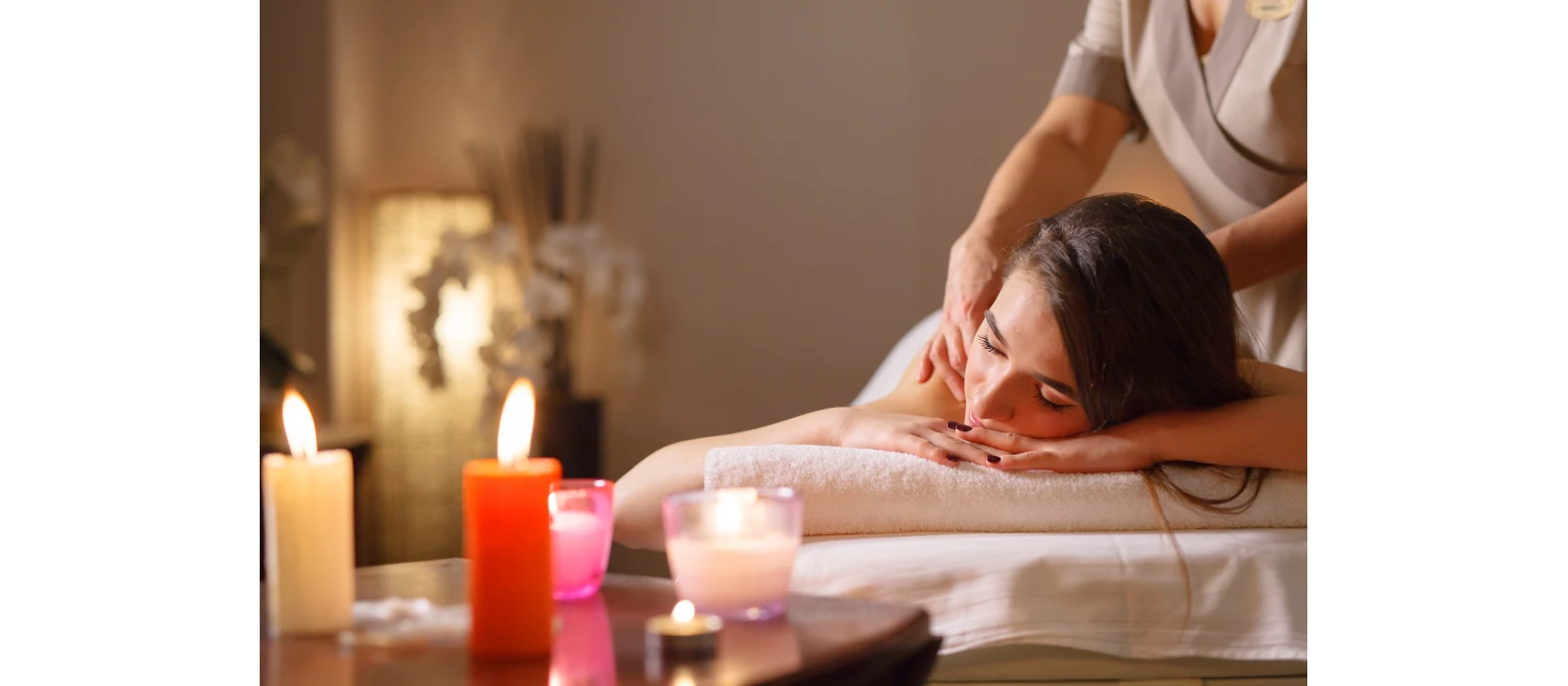
Healing from addiction or managing mental health challenges requires more than structured treatment alone. While addiction recovery services, inpatient care, and outpatient programs provide essential clinical support, long-term well-being also depends on how well individuals manage stress, restore emotional balance, and care for their physical health. Spa vacations offer a supportive environment that goes beyond simple relaxation. They create space for deeper restoration of mind and body, helping individuals strengthen resilience, improve emotional regulation, and support their overall recovery journey.
Why Healing Requires More Than Rest Alone
Relaxation is important, but true healing goes further. Many individuals in recovery experience ongoing stress, emotional fatigue, and physical tension that can interfere with progress. Without intentional recovery practices, these pressures can build and affect mental clarity, mood stability, and motivation.
This is why holistic and individualized treatment approaches are so effective. They address the connection between mind, body, and behavior. Spa vacations align with this approach by providing structured opportunities for rest, reflection, and physical restoration in a calm and supportive setting.
Physical Benefits That Support Emotional Recovery
Spa therapies are designed to relax the body, but they also play a significant role in emotional and mental well-being.
Massage Therapy for Stress and Tension Release
Massage therapy helps relieve muscle tightness, improve circulation, and reduce physical discomfort caused by stress. It also supports the release of serotonin and dopamine, which help regulate mood and promote emotional stability.
For individuals in recovery, this physical relaxation can reduce anxiety and create a stronger sense of grounding and calm.
Hydrotherapy and Nervous System Reset
Hydrotherapy treatments such as warm baths, mineral soaks, and water immersion therapy help calm the nervous system. These treatments reduce inflammation, ease muscle tension, and encourage deep relaxation.
The calming effect of water also supports emotional balance by slowing breathing and lowering stress responses in the body.
Gentle Movement and Physical Awareness
Many spa vacations include activities such as yoga, stretching, or mindful movement sessions. These practices improve flexibility, increase energy, and support circulation.
They also help individuals reconnect with their bodies in a healthy and intentional way, which is an important part of holistic recovery and emotional healing.
Emotional and Mental Health Benefits of Spa Vacations
Spa experiences provide more than physical care. They also support emotional healing and mental clarity in meaningful ways.
Mindfulness and Emotional Regulation
Mindfulness practices such as meditation and breathing exercises help individuals stay present and manage emotional responses more effectively. These tools are commonly used in mental health treatment because they reduce anxiety and improve emotional control.
A spa environment makes it easier to practice mindfulness consistently, helping individuals build skills that support long-term recovery.
Time for Reflection and Mental Clarity
A spa vacation offers time away from daily responsibilities, allowing individuals to slow down and reflect. This space can help clarify thoughts, process emotions, and reconnect with personal goals.
This clarity can strengthen motivation and support healthier decision making in everyday life.
A Safe and Supportive Healing Environment
The environment of a spa retreat plays an important role in emotional recovery. Calm surroundings, quiet spaces, and structured relaxation routines help reduce sensory overload and promote a sense of safety.
This supportive atmosphere mirrors the structure found in professional treatment programs, where consistency and stability are essential for healing.
Integrating Spa Wellness Into Recovery and Daily Life
While spa vacations are not a replacement for professional addiction recovery or mental health treatment, they can be a valuable complement to ongoing care. The practices learned during a retreat can be carried into daily routines.
Simple habits such as deep breathing, mindfulness, gentle movement, and intentional rest can help maintain emotional balance and reduce stress over time. These practices support resilience and enhance long-term recovery outcomes.
Conclusion
Healing beyond relaxation requires care for both the mind and body. Spa vacations offer a powerful opportunity to reduce stress, restore physical balance, and support emotional healing in a peaceful and restorative environment. When combined with professional addiction treatment and mental health care, they can strengthen resilience and improve overall well-being.
If you or someone you love is facing challenges with addiction or mental health, compassionate and individualized support can make a difference. Recovery is possible, and taking the first step toward help can open the door to lasting healing, balance, and renewed well-being.