March 2026 archive

Rejuvenate Your Mind and Body: How a Spa Vacation Supports Health and Recovery

Recovery from addiction and the pursuit of mental wellness are journeys that require attention to both the mind and body. While therapy, counseling, and structured treatment are essential, restorative practices can significantly enhance the process. A spa vacation offers more than relaxation. It provides a structured opportunity to rejuvenate physically, emotionally, and mentally, supporting overall health and strengthening the foundations of recovery.

The Role of Rest and Self-Care in Recovery

Healing is a holistic process. Chronic stress, emotional tension, and fatigue can undermine recovery and make mental health management more challenging. Intentional self-care practices, such as those provided by spa vacations, allow individuals to pause, reset, and restore balance.

Stepping away from daily responsibilities creates space for mindfulness, reflection, and emotional renewal. These restorative experiences complement the structured care provided in inpatient and outpatient programs, helping individuals maintain resilience and emotional stability.

Physical Benefits of Spa Therapies

Spa retreats offer treatments that directly support both physical and mental health.

Massage Therapy

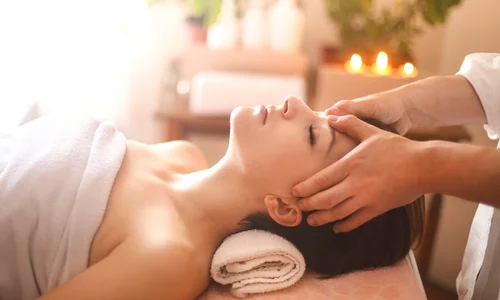
Massage reduces muscle tension, improves circulation, and promotes relaxation. Beyond physical relief, it lowers cortisol levels and increases endorphins, helping to regulate mood and reduce anxiety. These benefits are especially valuable for individuals navigating recovery or managing mental health challenges.

Hydrotherapy and Warm Baths

Hydrotherapy, mineral baths, and thermal treatments ease muscle soreness, improve joint mobility, and calm the nervous system. These therapies encourage a state of relaxation that supports emotional well-being and mental clarity.

Gentle Movement and Yoga

Many spa retreats incorporate yoga, stretching, or light aerobic exercise. These practices strengthen the mind-body connection, enhance flexibility, and release mood-boosting chemicals. Integrating gentle movement into a spa experience reinforces habits that can continue after returning home.

Emotional and Mental Restoration

The mental and emotional benefits of spa vacations are equally important.

Mindfulness and Meditation

Guided meditation and breathing exercises help individuals manage stress, stay present, and improve self-awareness. Mindfulness practices are widely recognized in recovery programs for their ability to reduce cravings, support emotional regulation, and increase resilience.

Reflection and Emotional Insight

A calm, distraction-free environment allows for introspection. Activities such as journaling, meditation, or quiet contemplation provide space to process emotions, assess progress, and reconnect with personal goals. This reflection strengthens emotional resilience and supports long-term mental health.

Safe and Supportive Environment

The structured, serene environment of a spa retreat mirrors the supportive atmosphere found in professional treatment settings. By removing external stressors, individuals can focus on cultivating healthy routines and practicing self-care, reinforcing skills learned during therapy or treatment programs.

Integrating Spa Practices Into Everyday Life

The benefits of a spa vacation extend beyond the retreat itself. Techniques learned, including mindfulness, relaxation exercises, and gentle movement, can be incorporated into daily life. These habits support ongoing recovery, improve mental and physical health, and strengthen resilience against stress.

Conclusion

Rejuvenation of mind and body is essential for supporting recovery and mental well-being. Spa vacations offer a unique opportunity to combine physical therapy, emotional renewal, and mindful self-care. By creating space for rest, reflection, and restoration, individuals can enhance resilience, reduce stress, and support long-term health and recovery.

If you or a loved one are navigating addiction recovery or seeking mental health support, consider how a restorative spa retreat can complement professional care. Reach out to a compassionate, client-centered provider today to explore holistic approaches that nurture balance, wellness, and lasting recovery.


From Tension to Tranquility: How a Spa Getaway Can Strengthen Health and Resilience

Living with stress, emotional strain, or the challenges of addiction recovery can take a significant toll on both the mind and body. Over time, tension can accumulate, affecting sleep, mood, and overall well-being. Taking intentional time for restoration is essential for maintaining balance and supporting long-term recovery. A spa getaway provides a structured opportunity to relax, rejuvenate, and build resilience. By combining physical therapies, mindfulness practices, and holistic self-care, spa retreats can play a meaningful role in improving health and emotional stability.

The Importance of Rest and Renewal in Recovery

Recovery is more than abstaining from substances or managing symptoms. It is about restoring equilibrium in daily life and creating sustainable habits that promote health and well-being. Chronic stress and physical tension can undermine recovery progress, making self-care practices vital.

A spa getaway offers a dedicated environment to step away from daily pressures. This break allows the body and mind to reset, fostering relaxation, reflection, and emotional insight. Taking intentional time for self-care is a proactive step in strengthening resilience and supporting mental health.

Physical Benefits That Enhance Wellness

Spa retreats provide numerous therapies designed to reduce tension, restore energy, and promote overall health.

Massage Therapy

Massage therapy relieves tight muscles, improves circulation, and encourages the release of endorphins, which naturally enhance mood. For those in recovery, this physiological support can reduce stress, improve sleep, and help maintain emotional balance.

Hydrotherapy and Thermal Treatments

Hydrotherapy, mineral baths, and warm water therapies soothe aches, ease tension, and calm the nervous system. The combination of heat and water immersion promotes relaxation, improves circulation, and supports physical restoration, which in turn strengthens emotional resilience.

Gentle Exercise and Movement

Many spa programs incorporate yoga, stretching, or light aerobic activity. These practices improve flexibility, cardiovascular health, and body awareness. Movement also helps individuals reconnect with their bodies, increasing the sense of mindfulness and promoting overall well-being.

Emotional and Mental Restoration

Beyond physical therapies, spa retreats create an ideal environment for mental and emotional healing.

Mindfulness and Meditation

Guided meditation and breathing exercises help individuals manage anxiety, reduce stress, and remain present in the moment. Mindfulness practices are particularly useful in recovery, as they encourage emotional regulation, self-awareness, and healthier coping mechanisms.

Reflection and Self-Discovery

Time spent in a tranquil environment allows for self-reflection and personal insight. Journaling, quiet walks, and contemplation enable individuals to process emotions, assess progress, and reconnect with their recovery goals.

A Supportive Environment

The peaceful and structured setting of a spa retreat mirrors the supportive atmosphere found in professional treatment programs. Being in a calm environment without distractions allows individuals to practice healthy routines and self-care habits that can extend beyond the getaway.

Integrating Spa Practices into Daily Life

The true benefit of a spa retreat lies in incorporating the practices learned into everyday life. Techniques such as mindful movement, relaxation exercises, and intentional rest can be continued at home. Developing these habits strengthens resilience, reduces stress, and supports long-term recovery goals.

Conclusion

Transforming tension into tranquility requires intentional care for both mind and body. Spa getaways offer an effective and restorative way to relieve stress, improve physical health, and cultivate emotional resilience. By combining therapeutic treatments, mindfulness practices, and holistic self-care, individuals can enhance recovery outcomes and maintain well-being in daily life.

If you or a loved one are navigating addiction recovery or seeking support for mental health, consider how a restorative spa retreat can complement professional care. Reach out to a compassionate, client-centered provider today to explore holistic strategies that foster balance, health, and lasting recovery.

Mind, Body, and Renewal: Transform Your Health with a Spa Retreat

Healing from addiction and nurturing mental health is a journey that extends beyond therapy sessions and medical care. It requires intentional practices that support both the mind and the body. A spa retreat offers a unique opportunity to do just that. More than a simple escape, spa experiences provide structured time for restoration, self-reflection, and holistic care. By integrating these experiences into your wellness routine, you can strengthen emotional resilience, promote physical health, and enhance overall recovery outcomes.

The Importance of Holistic Wellness in Recovery

Recovery is not solely about abstaining from substances or managing symptoms. It is about restoring balance and building a sustainable lifestyle that supports long-term health. Stress, emotional fatigue, and physical tension can undermine recovery efforts if left unaddressed. Holistic wellness practices, such as those offered in spa retreats, focus on aligning the mind, body, and spirit to reinforce recovery and foster overall well-being.

Taking time to prioritize self-care allows individuals to reset, gain perspective, and strengthen the coping skills learned through inpatient or outpatient programs.

Physical Benefits of Spa Retreats

A spa retreat provides multiple opportunities to address the physical aspects of health, which are closely linked to emotional and mental wellness.

Massage Therapy for Relaxation and Recovery

Massage therapy is a cornerstone of many spa programs. It reduces muscle tension, improves circulation, and promotes relaxation. By lowering cortisol levels and boosting serotonin and dopamine, massage can support emotional balance, reduce stress, and enhance overall mental clarity.

Hydrotherapy and Thermal Treatments

Hydrotherapy and warm baths help alleviate muscle soreness, improve joint mobility, and promote relaxation. These treatments can have a calming effect on the nervous system, reducing anxiety and improving mood—key factors in supporting mental health and sustaining recovery.

Gentle Movement and Yoga

Incorporating low-impact movement such as yoga, stretching, or guided walks helps strengthen the body while encouraging mindfulness. Physical activity increases energy levels, improves cardiovascular health, and reinforces the mind-body connection. Practicing these routines during a retreat encourages habits that can continue long after the vacation ends.

Mental and Emotional Restoration

Beyond physical therapies, spa retreats offer a setting that encourages emotional and psychological healing.

Mindfulness and Meditation Practices

Guided meditation, breathing exercises, and mindfulness techniques help individuals remain present, manage stress, and regulate emotions. These skills are particularly valuable for those in recovery, as they reduce impulsive behaviors and strengthen self-awareness.

Reflection and Emotional Insight

A calm, distraction-free environment allows participants to reflect on their recovery journey, identify personal goals, and explore emotional challenges. Activities such as journaling or quiet contemplation can enhance self-compassion and foster a deeper understanding of personal needs and motivations.

A Supportive and Restorative Environment

The structure and serenity of a spa retreat mirror the supportive atmosphere found in professional treatment centers. By providing a safe and peaceful setting, individuals can practice self-care, implement coping strategies, and build confidence in their ability to manage stress and maintain wellness.

Integrating Spa Experiences into Your Daily Life

The true value of a spa retreat lies in applying the skills and habits learned to everyday life. Techniques such as mindfulness, gentle movement, intentional relaxation, and emotional reflection can become part of a regular wellness routine. By reinforcing these practices outside of the retreat, individuals can continue to support their recovery, improve mental health, and maintain overall well-being.

Conclusion

A spa retreat is a powerful tool for transforming health by promoting mind, body, and emotional renewal. By combining physical therapies, mindfulness practices, and restorative self-care, individuals can enhance recovery outcomes, reduce stress, and strengthen resilience.

If you or a loved one are seeking support for addiction recovery or mental health, consider how restorative experiences like spa retreats can complement professional care. Reach out to a compassionate, client-centered provider today to explore holistic approaches that nurture well-being, balance, and long-term health.

Stress Relief and Recovery: How Spa Vacations Boost Mind and Body Wellness

Stress is one of the most common challenges people face during addiction recovery and mental health treatment. Daily pressures, emotional triggers, and physical fatigue can slowly wear down even the most committed recovery efforts. That is why intentional rest and restorative experiences are so important. A spa vacation can provide more than temporary relaxation. It can create a structured opportunity to restore physical health, reduce stress, and strengthen emotional resilience. When combined with professional addiction treatment and mental health care, spa experiences can help individuals reconnect with themselves and support lasting wellness.

Why Stress Management Matters in Recovery

Stress is a powerful trigger for many individuals struggling with addiction or mental health conditions. Prolonged stress can increase anxiety, disrupt sleep, and intensify cravings. Without healthy coping strategies, these challenges can make recovery more difficult.

Effective recovery programs recognize that managing stress is essential for long term healing. Many treatment centers encourage practices such as mindfulness, relaxation techniques, and physical wellness activities. A spa vacation supports these goals by offering an environment focused on calm, balance, and self care.

Taking time away from daily responsibilities allows the nervous system to reset. This shift helps individuals regain clarity and emotional stability, which are critical for maintaining progress in recovery.

Physical Therapies That Support Healing

One of the most immediate benefits of a spa retreat is its ability to restore physical wellness. Many therapies offered in spa environments can directly support both physical and emotional recovery.

Massage Therapy for Stress Reduction

Massage therapy is widely known for reducing muscle tension and improving circulation. However, its benefits extend far beyond the physical body. Massage can lower cortisol levels and increase serotonin and dopamine, which are neurotransmitters associated with improved mood and relaxation.

For individuals in addiction recovery, this physiological response helps reduce anxiety and promotes emotional balance.

Hydrotherapy and Thermal Treatments

Hydrotherapy, mineral baths, and warm water treatments can soothe aching muscles and calm the nervous system. The combination of heat and buoyancy encourages deep relaxation and improves circulation.

Water therapies also provide a sensory experience that promotes mindfulness. The calming environment helps individuals remain present, which is an important skill in recovery.

Gentle Movement and Exercise

Many spa retreats incorporate low impact exercise such as yoga, stretching, or guided walks. Physical activity supports cardiovascular health and encourages the release of endorphins, which naturally improve mood.

Movement also strengthens the connection between mind and body, helping individuals become more aware of their physical and emotional needs.

Mental and Emotional Benefits of Spa Vacations

Beyond physical treatments, spa retreats offer powerful benefits for mental health. The calm environment encourages reflection, mindfulness, and emotional healing.

Mindfulness and Meditation

Mindfulness practices such as meditation and breathing exercises help individuals manage stress and regulate emotions. These techniques are commonly used in addiction recovery programs because they reduce impulsive reactions and strengthen self awareness.

Practicing mindfulness during a spa retreat allows individuals to deepen these skills and bring them back into daily life.

Time for Reflection and Personal Growth

A spa vacation creates space for quiet reflection. Without constant distractions, individuals can think more clearly about their goals, challenges, and personal growth.

This reflective time can strengthen motivation for recovery and reinforce the commitment to healthier choices.

A Supportive Environment for Healing

Healing environments matter. A peaceful setting surrounded by nature, calming sounds, and restorative activities can have a powerful impact on emotional well being.

This type of environment complements the structured support offered in inpatient and outpatient treatment programs. It encourages individuals to practice healthy routines and self care in a nurturing space.

Incorporating Spa Experiences Into a Recovery Lifestyle

A spa vacation should not replace professional addiction treatment or mental health care. However, it can serve as a valuable complement to structured programs. When combined with counseling, therapy, and medical support, restorative experiences help individuals build a balanced lifestyle.

The habits developed during a retreat such as mindfulness, regular movement, relaxation techniques, and intentional rest can continue long after the vacation ends. These practices strengthen resilience and support long term recovery.

Conclusion

Stress relief plays a critical role in both mental health and addiction recovery. Spa vacations provide a unique opportunity to nurture the body, calm the mind, and reconnect with healthy habits that support lasting wellness. Through physical therapies, mindfulness practices, and restorative environments, individuals can strengthen their emotional resilience and renew their commitment to recovery.

If you or someone you care about is struggling with addiction or mental health challenges, professional support can make a meaningful difference. Compassionate, individualized care that addresses the mind, body, and spirit can help guide the path toward healing. Reaching out for help today may be the first step toward renewed health, balance, and long term recovery.