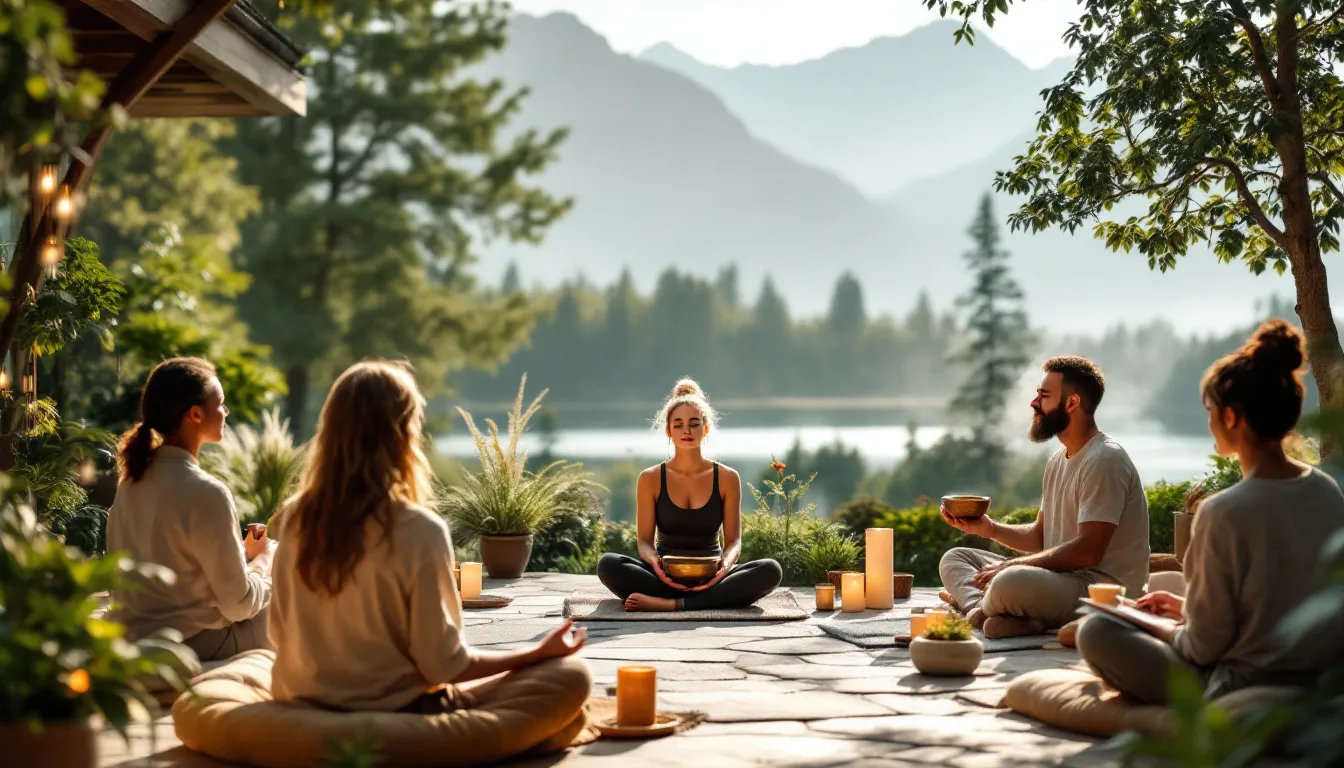
Rest is not a luxury in recovery. It is a necessity. For individuals facing addiction or mental health challenges, ongoing stress, emotional strain, and physical exhaustion can slow progress and increase vulnerability to relapse. Healing requires more than clinical care alone. It calls for intentional restoration of the mind and body. Spa retreats offer a powerful way to support this process by creating a calm, structured environment where individuals can step away from stress, reconnect with themselves, and strengthen their path toward long-term recovery.
The Role of Rest in Mental Health and Recovery
Mental health and addiction recovery are deeply affected by stress and fatigue. When the body remains in a constant state of tension, it becomes harder to regulate emotions, maintain focus, and practice healthy coping skills.
This is why both inpatient and outpatient care programs emphasize rest and stress management as core components of treatment. Rest allows the nervous system to reset, improves sleep quality, and supports emotional balance.
A spa retreat provides an intentional space for this kind of restoration. It removes daily pressures and offers an environment where individuals can focus entirely on healing and self-care.
Physical Restoration Through Spa Therapies
Spa treatments are designed to relax the body, but they also deliver important health benefits that support recovery.
Massage Therapy and Muscle Recovery
Massage therapy helps release built-up tension, improve circulation, and reduce physical discomfort. It also encourages the release of serotonin and dopamine, which are essential for mood regulation.
For individuals in recovery, these benefits can ease stress, improve sleep, and create a sense of calm that supports emotional stability.
Hydrotherapy and Nervous System Support
Hydrotherapy includes treatments such as warm baths, mineral soaks, and therapeutic pools. These experiences help reduce inflammation, relax muscles, and calm the nervous system.
Warm water immersion can also promote deeper breathing and a slower heart rate, both of which are important for reducing anxiety and promoting relaxation.
Gentle Movement and Physical Balance
Many spa retreats include activities such as yoga, stretching, or light movement. These practices help improve flexibility, increase energy levels, and support overall physical health.
More importantly, they help individuals reconnect with their bodies. This awareness is often lost during periods of stress or addiction and is essential for holistic healing.
Emotional and Mental Healing
While physical relaxation is important, the emotional benefits of a spa retreat are equally powerful.
Mindfulness and Stress Reduction
Mindfulness practices such as meditation and guided breathing exercises help individuals stay present and manage stress more effectively. These tools are widely used in mental health treatment because they strengthen emotional regulation and reduce reactivity.
Practicing mindfulness in a calm setting allows individuals to build confidence in their ability to manage stress outside of the retreat.
Time for Reflection and Clarity
A spa retreat offers something many people lack in daily life. Time and space to think. Without constant distractions, individuals can reflect on their experiences, process emotions, and reconnect with their recovery goals.
This reflection can lead to greater self-awareness and a renewed sense of purpose in the healing journey.
A Safe and Supportive Environment
The environment itself plays a key role in recovery. Spa settings are designed to be peaceful, quiet, and restorative. This helps reduce sensory overload and promotes emotional safety.
This type of environment aligns with the principles of professional treatment programs, where structure and support help individuals build healthier habits.
Extending the Benefits Beyond the Retreat
The true value of a spa retreat lies in what continues afterward. The techniques learned during the experience can be integrated into daily routines.
Simple practices such as deep breathing, mindful movement, and intentional rest can help maintain emotional balance and reduce stress. Over time, these habits strengthen resilience and support long-term recovery.
Conclusion
Healing through rest is a powerful and often overlooked part of mental health care and addiction recovery. Spa retreats offer a unique opportunity to restore the body, calm the mind, and reconnect with healthy habits that support lasting wellness.
If you or someone you love is navigating addiction or mental health challenges, professional support can make a meaningful difference. Compassionate, individualized care that addresses both physical and emotional needs can help guide the path toward recovery. Taking the first step to reach out for help can open the door to healing, balance, and renewed hope.